Bringing the impossible into view when everything is possible. VFXScience’s Paul Hellard visits Dreamscreen.
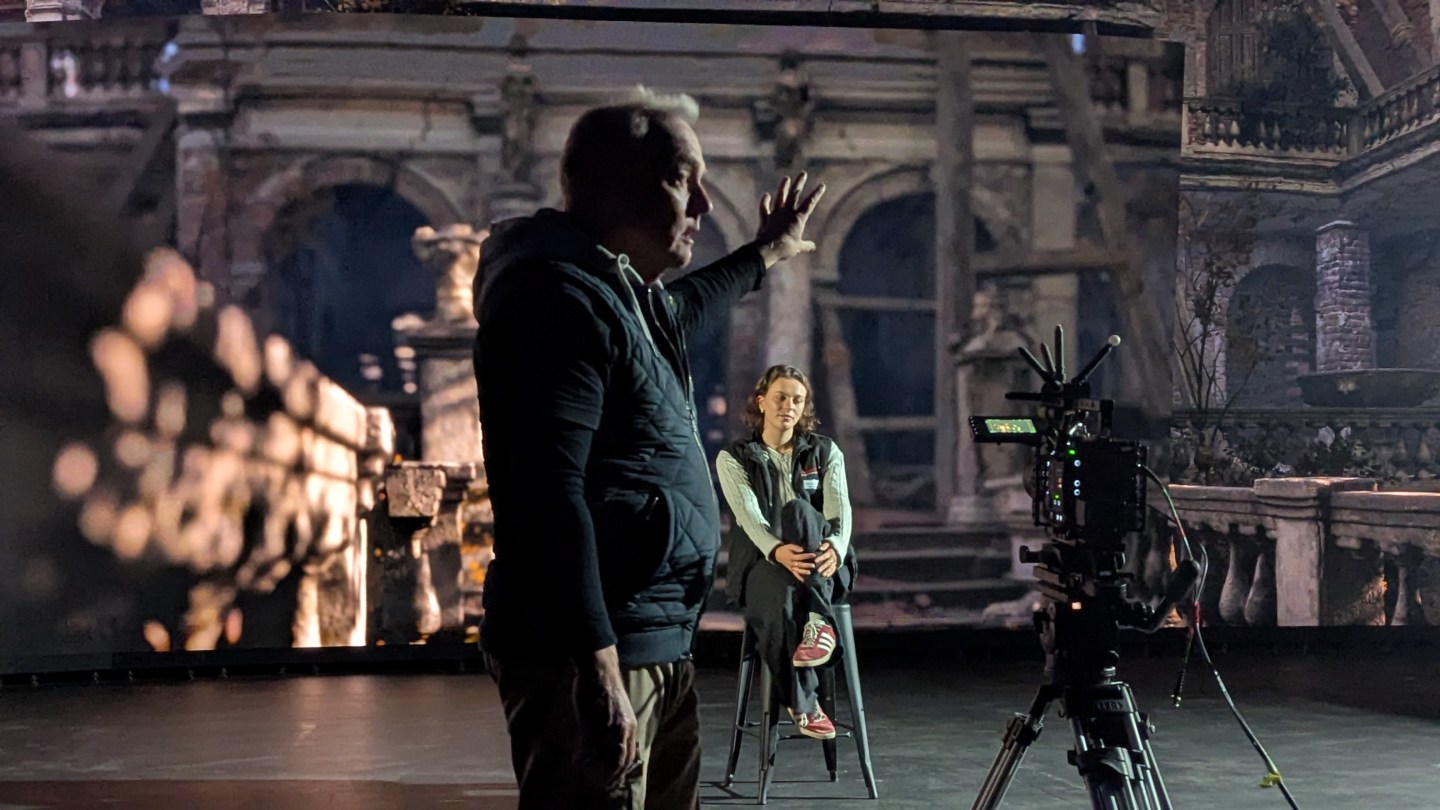
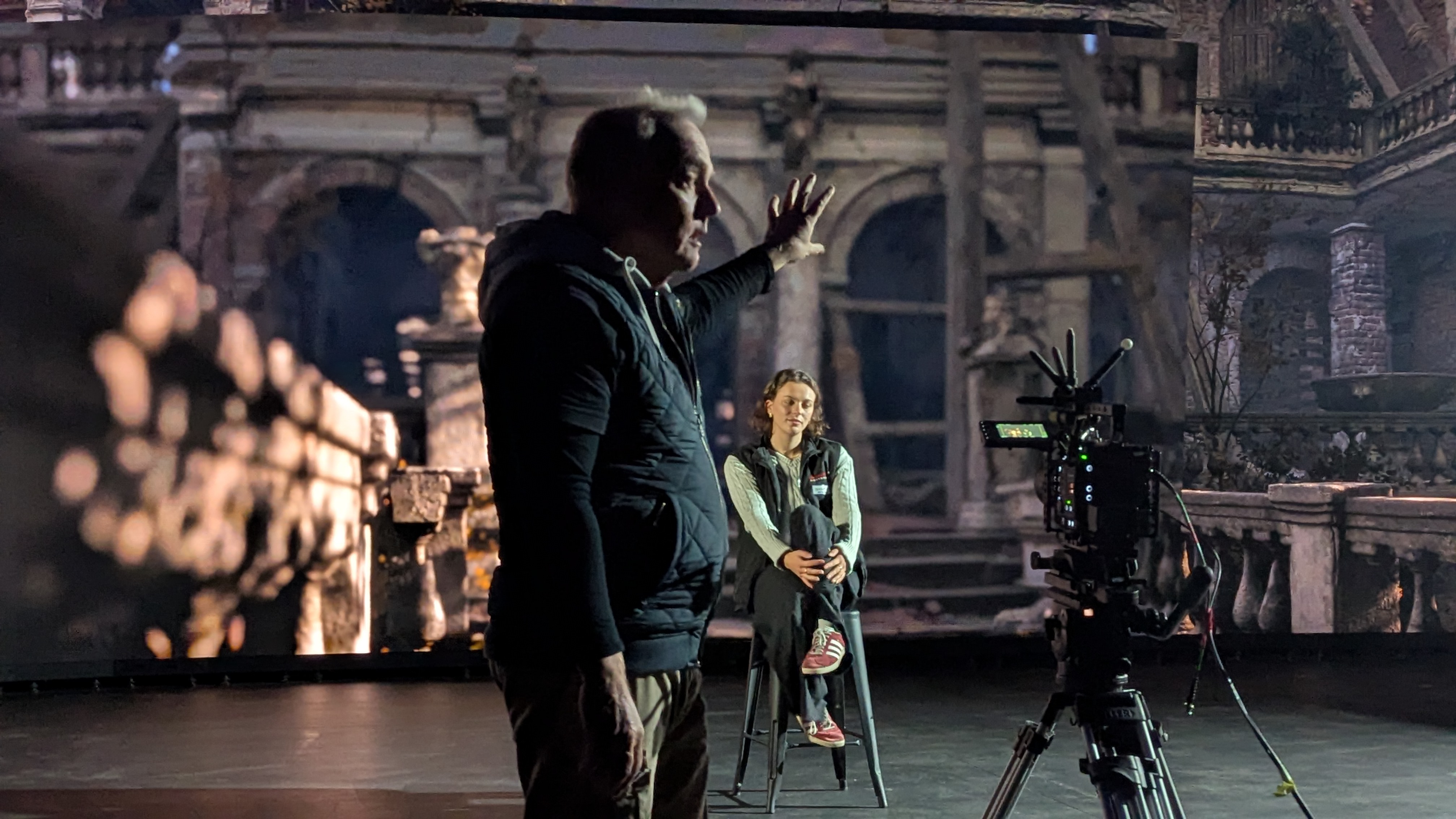
Dreamscreen is a virtual production studio sitting just half an hour from Melbourne’s Docklands Studios and a quarter hour from Melbourne Airport. This facility is available for productions of all flavours, and VFXScience joined a focused bunch of industry passionates a few days ago for a tour of their new ‘simtrav’ offerings, used for a growing number of productions in Australia. A number of other companies were brought together for the event by the people at the Visual Effects Society (VES) – Australia. Richard Hoskings, the DOP shown here in an image shot by Mark Flannigan, goes through the demonstration.
Simulated travel (simtrav) involves filming vehicles and actors against LED walls. With the use of 3D created or actual filmed background plates, Dreamscreen can offer realistic travel shots. Cars, planes, boats, automobiles, and everything in between can be simulated in their studio. Realistic travel with a small or larger crew, without leaving the confines of their very comfortable studio.
The simtrav style of production allows very fast reset times, much greater camera and lighting control, and the added advantage of being able to record the same time of day for as long as you need. Since there is no actual travel, you can shoot in Los Angeles in the morning, Dubai before lunch, and be on the moon in the afternoon. If you want.
The massive screens can play still or dynamic plates, lighting the stage with additional coverage from left, right, or above if necessary, or use one or two as a large scrim, with any colour, texture or level of light for the desired effect. “These can be backgrounds of landscapes, skies, cityscapes, absolutely anything,” explained Ahren Morris, Managing Director at Dreamscreen. “There are really so many options, but with great flexibility comes great responsibility.”
This is really a whole new field of storytelling. Everyone reading this has watched a movie where two people are talking in a car in traffic. Or walking around a car, watching a sunset, or driving through a bushfire. Literally, the list is endless. The background may be out of focus, but is an essential element of the screen direction. Using a studio and the facilities available at Dreamscreen, productions can try anything, in a completely new way of shooting any sequence in a screen production.
With all this extra creative control for the camera/visual effects departments, I asked Richard Hosking, a visiting director of photography who uses Dreamscreen quite often, how the job had changed for him over the years. The answer edged towards the early collaboration for more departments. I know that sense of wanting closer, earlier collaboration, dispersing creative decisions early for the best final result. The camera department worked with directors, working also with visual effects artists.
The backgrounds can be from the Dreamscreen library, they can commission them to be shot for you or you can bring your own. This can be real footage, a 2D static plate or a dynamic CG scene rendered in RealTimeEngine from maya or another software. Richard and Eric the producer cited a time when they might have a CG artist on set building out extra elements to a background on the fly. Now that’s real theatre sports.
dreamscreenaustralia.com
 VFX SCIENCE